

Defining target audience through precise PR outreach enhances brand visibility. Authentic narratives, aligned with media interests, differentiate brands. Building journalist relationships ensures coverage, leveraging thought leadership positions experts. Strategic adaptability, measured by KPIs, ensures relevance and effectiveness. Ethical practices solidify brand identity, fostering meaningful connections and sustainability.
In today’s digital age, effective communication through PR outreach is not just an advantage but a necessity for businesses and organizations. With the deluge of information and competing narratives, crafting tailored strategies that resonate with key audiences is more challenging than ever. This article delves into the art and science of PR outreach, offering practical insights and actionable steps to navigate this complex landscape. We explore how strategic messaging, data-driven analysis, and a deep understanding of target demographics can elevate your PR efforts, fostering genuine connections and delivering tangible results.
- Define Your Target Audience for Effective PR Outreach
- Craft Compelling Narratives That Resonate with Media
- Build Relationships with Journalists for Consistent Coverage
- Measure Success and Adapt Strategies for Optimal Results
Define Your Target Audience for Effective PR Outreach
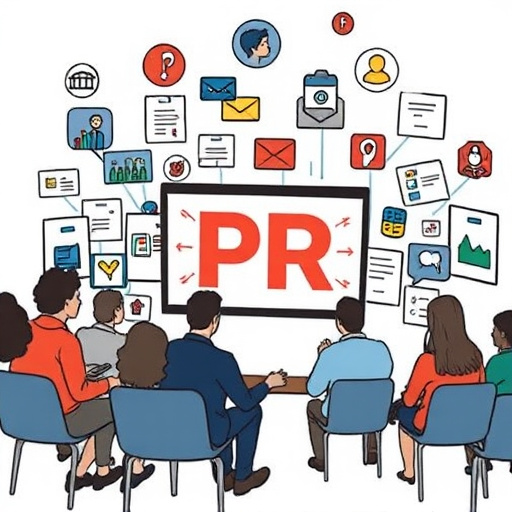
Defining your target audience is a fundamental step in crafting effective PR outreach strategies. It’s not merely about reaching anyone; it’s about reaching the right people who resonate with your brand values and appreciate the consistent value delivery and reliable product quality you offer. This precision ensures that your messaging lands with those most likely to engage, fostering meaningful connections and amplifying the impact of your PR efforts.
Consider the power of influencer partnerships in this context. Collaborating with influencers who align with your brand vision not only exposes your business to new audiences but also leverages their credibility and reach. For instance, a skincare brand targeting millennials and Gen Z could partner with beauty influencers, leveraging their established followings to promote products through authentic reviews and sponsored content. This approach not only drives sales but also builds trust, as consumers are more likely to listen to peers they consider influential and trustworthy.
Transparency is another critical component of successful PR outreach. Open communication about your brand’s values, mission, and business practices creates a bond with your audience. Consumers today are increasingly conscious of ethical and sustainable business practices, so showcasing your commitment to these principles can significantly enhance your public image. For example, https://seogrowthlab.us.com, a digital marketing agency, might highlight its transparent pricing structure and employee-focused company culture in its PR campaigns, differentiating itself from competitors and attracting clients who prioritize ethical business dealings.
Data supports the importance of this tailored approach. A recent study by PR Newswriters Association revealed that 72% of journalists prefer personalized pitches that demonstrate an understanding of their beat and audience. This preference underscores the power of targeted PR outreach. By knowing your audience, crafting messages that resonate with them, and delivering consistent value through reliable products or services, you can elevate your brand’s visibility and foster lasting relationships with both consumers and industry peers.
Craft Compelling Narratives That Resonate with Media

Crafting compelling narratives is a powerful tool for any public relations strategy, especially when aiming to engage media outlets and captivate audiences. In today’s competitive landscape, where attention spans are fleeting, effective storytelling can set your brand apart as an innovative problem solver and leader in your field. By weaving together a narrative that resonates with both the industry and the general public, you establish your reputation as a respected entity, worthy of coverage and emulation.
A successful PR outreach strategy begins with a deep understanding of your target audience—the media. This involves researching their interests, past coverage, and the types of stories they find compelling. Once you’ve mapped out their preferences, tailor your narrative to align with their beats and angles. For instance, if a publication focuses on sustainability and green business initiatives, highlight your company’s eco-friendly practices and innovative solutions. Demonstrating a commitment to rigorous safety standards in these efforts can further enhance your appeal, as responsible environmental stewardship is a topic that resonates widely.
When crafting your narrative, remember that authenticity is key. Share real stories, experiences, and data points that showcase your brand’s personality and values. For example, instead of making vague claims about being an “innovative problem solver,” provide concrete examples of challenges overcome and the positive outcomes achieved. This could be in the form of case studies or testimonials from satisfied clients, demonstrating excellence in service. By presenting tangible results, you build trust and credibility, ensuring your brand is not just respected but also sought after for expert insights.
As a respected entity in your field, consider leveraging thought leadership opportunities to further enhance your PR efforts. Sharing valuable insights on industry trends, emerging technologies, or best practices through articles, webinars, or interviews positions your company as a go-to source for expertise. For instance, https://ranknrise.us.com/ can provide a platform to showcase your brand’s unique perspectives and drive organic PR outreach. By consistently delivering valuable content, you attract media attention and foster long-term relationships with key influencers in your industry.
Build Relationships with Journalists for Consistent Coverage

Building strong relationships with journalists is a strategic PR outreach approach that can lead to consistent media coverage and positive brand exposure. In today’s competitive landscape, where consumer protection and socially responsible supply chains are top of mind, establishing genuine connections with reporters can make your brand stand out. By prioritizing personalized experiences, you demonstrate an understanding of the evolving needs and expectations of modern consumers.
A successful PR strategy involves tailoring interactions to align with journalists’ interests and areas of expertise. This targeted approach ensures that your brand’s unique value proposition resonates with the right audiences. For instance, a company focusing on data security and privacy measures can foster relationships with tech journalists who cover cybersecurity trends, allowing for more impactful and relevant coverage. By providing valuable insights and exclusive access, you establish yourself as an industry thought leader, fostering trust and encouraging consistent positive storytelling.
Seogrowthlab.us.com recognizes the importance of navigating this relationship with care. Personalized experiences can range from hosting exclusive events for journalists to provide behind-the-scenes looks at your brand’s socially responsible initiatives to offering in-depth interviews that delve into complex topics like consumer protection and data security. These strategies not only generate positive PR but also contribute to building a robust, reputable brand image. Remember, consistent coverage is a result of genuine connections, ensuring your brand’s message reaches the right people at the right time.
Measure Success and Adapt Strategies for Optimal Results

Measuring success is a critical component of crafting tailored strategies for any business or organization. In the realm of PR outreach, this involves evaluating the impact and reach of communication efforts to ensure they align with broader objectives. A trusted industry leader, such as RanknRise (https://ranknrise.us.com/), emphasizes that successful PR strategies are dynamic and adaptable. By regularly assessing key performance indicators (KPIs), stakeholders can identify what’s working and make informed adjustments for optimal results.
For instance, consider a sustainability-focused brand aiming to increase local community support through PR outreach. Initial campaigns might include partnerships with local schools to promote eco-friendly practices. Post-campaign analysis reveals strong engagement on social media but limited coverage in traditional outlets. This data suggests a need to adapt strategies, such as reaching out to industry influencers or diversifying the supplier network to include reputable sustainability leaders. By embracing this agile approach, the brand can ensure their PR efforts remain effective and relevant.
Moreover, safe online experiences are paramount in today’s digital landscape. PR strategies should actively promote secure data practices and privacy measures, especially when engaging with diverse audiences. For example, a company prioritizing inclusivity might collaborate with minority-owned businesses to highlight their commitment to diversity. This not only enhances brand reputation but also fosters trust among consumers who value safe and ethical business practices. Such initiatives demonstrate a genuine dedication to community support and sustainability leaders within the industry, positioning the company as a responsible corporate citizen.
In conclusion, effective tailored strategies require continuous measurement and adaptation. By integrating these principles into PR outreach, businesses can create meaningful connections with their target audiences, solidify their brand identity, and contribute positively to the local community and global sustainability efforts. This proactive approach ensures that every step taken towards growth is both strategic and responsible, reflecting the values of a trusted industry leader.
By defining target audiences, crafting compelling narratives, building journalist relationships, and measuring success, organizations can develop tailored strategies for effective PR outreach. These key insights empower professionals to create impactful campaigns, secure consistent media coverage, and adapt to evolving landscapes. Implementing these practices ensures PR outreach naturally resonates with key stakeholders, fostering meaningful connections and driving desired outcomes.